

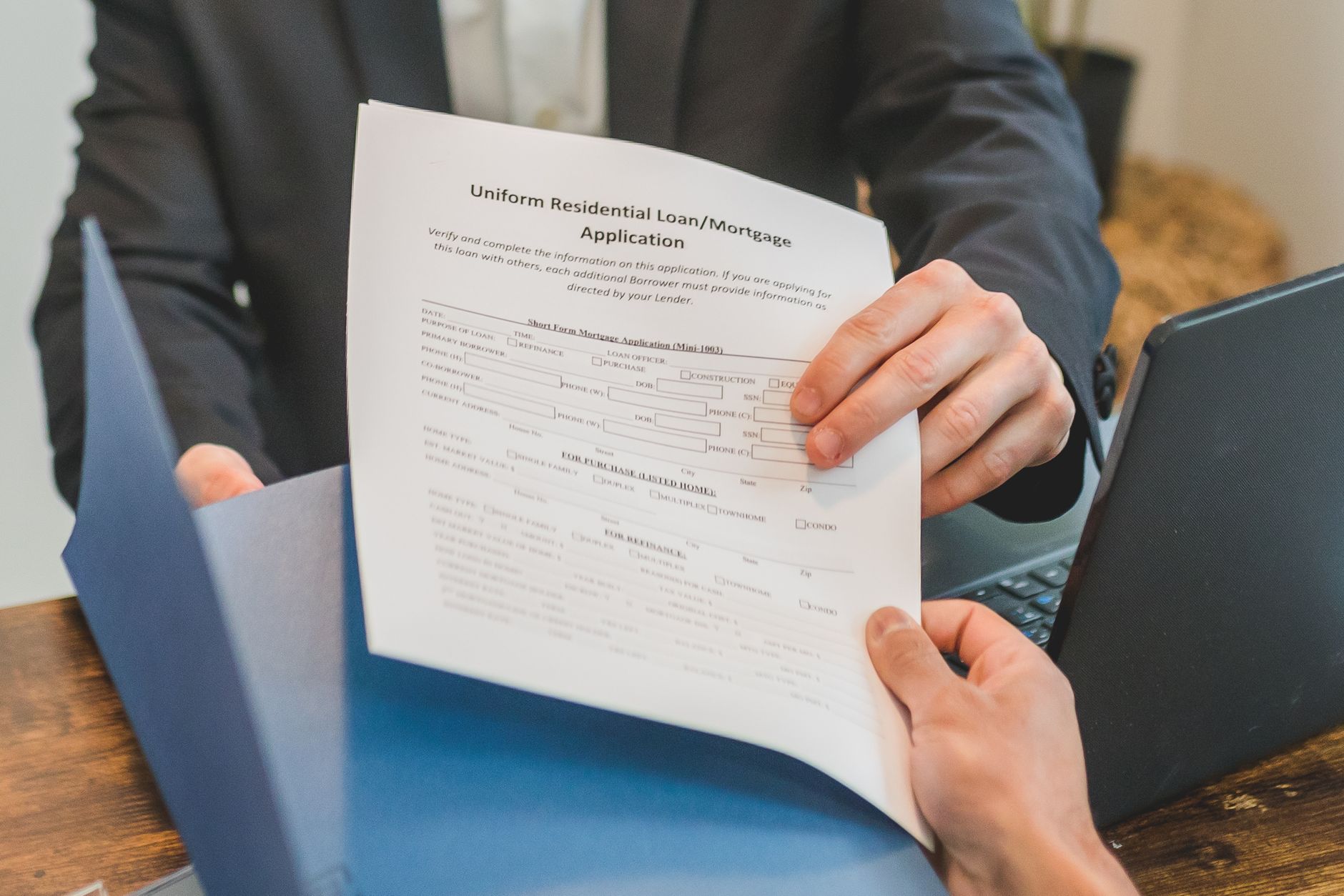
Buying a home or refinancing? Learn exactly why lenders require a Verification Of Mortgage Form and how this simple paperwork impacts your new loan.
Buying a house is incredibly stressful. The paperwork literally never seems to end. Banks ask for absolutely everything. They want your current bank statements. They want your old tax returns from three years ago. It feels like they want your blood type too. One specific piece of paper causes a lot of quiet headaches behind the scenes. It is commonly known as the Verification Of Mortgage Form.
This single sheet holds a massive amount of power. It tells a brand new lender exactly how you treated your old lender. Banks are incredibly paranoid these days. They want to know if you actually pay your monthly bills. If you want a new home loan, you will definitely deal with this document. If you want to drop your interest rate, you will see it again. It is unavoidable. This guide explains the chaos.
Breaking Down The Official Paperwork
Industry insiders usually just call it a VOM. It is a highly official financial report. It comes directly from your current loan servicing company. It lists exactly how much money you still owe on your current house. It also tracks your monthly payments like a hawk. Banks actually trust this single paper way more than a regular credit report.
Credit reports can be very slow. They can have dumb errors. This form is special because it skips the middleman entirely. It comes straight from the actual source of the debt. It is almost impossible for a normal person to fake the numbers on a VOM.
Lenders use it to paint a crystal clear picture of your financial life. It is the ultimate puzzle piece for buying real estate. They want to see your raw financial history. They demand absolute transparency.
The Real Reason Banks Demand This Data
Banks are mostly in the business of making money. They absolutely hate losing money. They want clear proof that you are a safe bet. They study your past actions to guess your future actions.
If you paid your old mortgage perfectly, they would relax. They feel incredibly safe handing over a giant check. If you miss a few payments, they panic instantly. The form proves your true level of responsibility. It lists the exact day your check cleared for the last whole year. It leaves absolutely no room for silly excuses.
This intense detail helps the new bank set your new interest rate. A perfect track record gets you the best possible deal. A sloppy record usually gets you rejected. The banking math is brutal but very simple. They reward good habits and punish bad ones.
The Hidden Details Inside The Document
The document is completely loaded with hard numbers. It is not a simple multiple-choice test. It contains cold facts that break down your monthly household budget.
- The exact original amount of the first loan.
- The current remaining balance as of today.
- The monthly cost for the principal and the interest.
- The extra cash held for property taxes and home insurance.
- A strict rating of your payment habits for the last two years.
These specific details expose everything. They show exactly how much equity you actually have. Lenders crunch these raw numbers in a computer. They need to ensure you can easily handle a bigger payment. They leave absolutely nothing to chance. They verify every single penny.
When Buyers Actually Deal With This
You will hit this specific speed bump during two main life events. The first event is buying a totally different house. The second event is refinancing your current place. In both scenarios, the new bank does not trust you at all. They need to interrogate the old bank. You are completely locked out of filling out the form. You cannot write a single number on it. The new lender handles all the mailing. But you must sign a release page first.
This signature gives legal permission for the banks to gossip about your money. Without that signature, the whole real estate deal crashes into a brick wall. The lender will simply stop working on your file. You have to give them the green light to dig into your past.
The Slow Process Of Moving The Paper
The whole nightmare starts right after you apply for the loan. The loan officer will casually ask about your current loan. Then, they type up the Verification Of Mortgage Form. They blast it through a secure digital portal. Sometimes they even use old-fashioned fax machines to send it.
Your current bank gets the official request. They take their sweet time filling out the tiny boxes. They eventually send it back. This silly dance takes a full week sometimes. It happens totally behind the scenes.
You are usually out looking at paint colors while the banks talk. You just have to sit tight and hope the old bank works fast. If they drag their feet, your whole timeline shifts. The delay can be very frustrating for eager buyers.
The Key Players Who Read Your File
Many strangers will look at this form during the big deal. The real estate world is totally full of middlemen. This paper helps keep everyone completely honest.
- The strict underwriter who holds the true power to approve the loan.
- The friendly loan officer who took your very first phone call.
- The private investor if a giant commercial bank is not involved.
- The title company workers who prepare the heavy closing binders.
- The loan processors who organize all the messy digital files.
Each worker checks a completely different line on the page. The underwriter is the true boss here. They make the final absolute call. If they hate the form, you do not get the house keys. It is truly that simple. They hold your entire future in their hands.
Common Headaches That Ruin Closing Day
Things rarely go perfectly in the real estate world. The biggest headache is a lazy bank. If the old bank takes three weeks to reply, your closing day gets severely delayed. Moving trucks get canceled. People get very angry.
Another huge problem is a stupid error on the form. If the form says you paid late, but you paid early, you are in deep trouble. You have to fix these errors incredibly fast. You must dig up your personal bank statements immediately. You have to prove the money actually left your account on time.
Lenders might accept those bank statements if you fight hard enough. It is always brilliant to check your own records first. Never trust a giant bank to be completely perfect. They make dumb typos all the time.
Signing Your Final Papers Calmly
Securing a modern home loan is a massive daily chore. The required paperwork is a mile high. This specific form is just one ugly hurdle. It is simply a tool for greedy banks to double-check the truth.
If you always pay your bills on time, this paper is actually your best friend. It proves you are a financial winner. Once the strict underwriter signs off, the stress fades away completely. You step much closer to owning the shiny new property.
It proves you keep your financial promises. This weird level of trust is the only thing keeping the housing market alive today. Keep your personal documents sorted in a binder. Call your loan officer every single week. Stay aggressive and get the deal done.
FAQs
Do all lenders demand this specific paper?
Most of them do. They absolutely love it. Some giant lenders might just trust a credit report if your score is perfect. But it is incredibly common for a simple refinance.
Can a buyer look at the finished paper?
Yes. You have a legal right to see your own personal file. Always ask the loan officer to email you a digital copy. Check it for dumb math mistakes.
How far back do they track the payments?
They usually only care about the last 12 to 24 months. Recent history is completely king here. If you messed up five years ago, they probably will not care today.
Do banks charge a fee to print this?
Some greedy loan servicers charge a small annoying fee for the trouble. This fee just gets tossed into your final closing costs. You pay it at the very end.
